
By . Last updated Jun 21, 2016.
The best cameras for wildlife photography are the digital SLRs. The absolute must feature that you need to look for is a fast continuous autofocus, which helps you track fast moving animals without losing focus. We limit our selection of the best cameras for wildlife pictures to the ones having supporting continuous auto focus and high response times(atleast 3 frames per second). Our selection also includes some of the expensive DSLR's, which supports this fast and continuous autofocus.
Professional wildlife photography demands a tele-photo lens in the range of 300mm and more. Generally, wild animals are not that obliging and one may want to have large zoom range to get in close enough. Wild life photography also means faster shutter speed (to capture moving animals) and wider aperture for shooting in lower light. Also a key feature is that there should be no shutter release button time lag, which could make a difference in capturing a great shot at the right time.
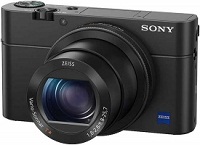
For amateurs who don't want to lug around a large DSLR body and telephoto lens, there are the superzoom cameras which have an awesome 10x or even 20x zoom built in. They are fixed lens cameras but nevertheless give an impressive 300mm or more zoom. To serve the purpose better they boast faster shutter speed and wider aperture in the range of F3.2. And the icing on the cake is that, they come at very affordable price so it's perfect for your safari vacations.
Compared to dSLRs, the point-shoot cameras have sensor chip that are small in size, trying to cram as many pixels are possible. At higher ISO (that is when shooting in low light) this might lead to more noise. And many wild-life shots are to be taken in natural low lighting. So, remember to buy a camera that has little noise at higher ISO than a camera that has higher mega-pixels. The best digital cameras for wildlife photography come with image stabilization which is a must-have to get less blur due to powerful zoom.
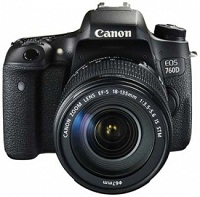
Canon EOS 760D: The #1 position for Canon EOS 760D in the best digital camera for pets list was generated based on digital camera reviews from sites like Imaging-Resource.com, PhotographyBLOG.com and CameraLabs.com. 7 such reviews were considered in all.
#1 |
#2 |
#3 |
#4 |
#5 |
|
|---|---|---|---|---|---|
|
|
|
|
|
|
|
|
|
|
|
|
|
|
|
|
|
|
|
|
|
|
|
|
|
|
|
|
| Release Date |
|
|
|
|
|
| Focus Type |
|
|
|
|
|
| Frames Per Second |
|
|
|
|
|
| Camera Type |
|
|
|
|
|
| Resolution |
|
|
|
|
|
| Image Sensor Type |
|
|
|
|
|
| LCD Screen Size |
|
|
|
|
|
| Image Sensor Size |
|
|
|
|
|
|
|
|
|
|
© 2025 ReviewGist.com. All Rights Reserved.
Best Digital Camera For Wildlife Photography of 2016